What is a coadjutor bishop?

This article was prepared with information provided by David Bell, Chancellor of Synod.
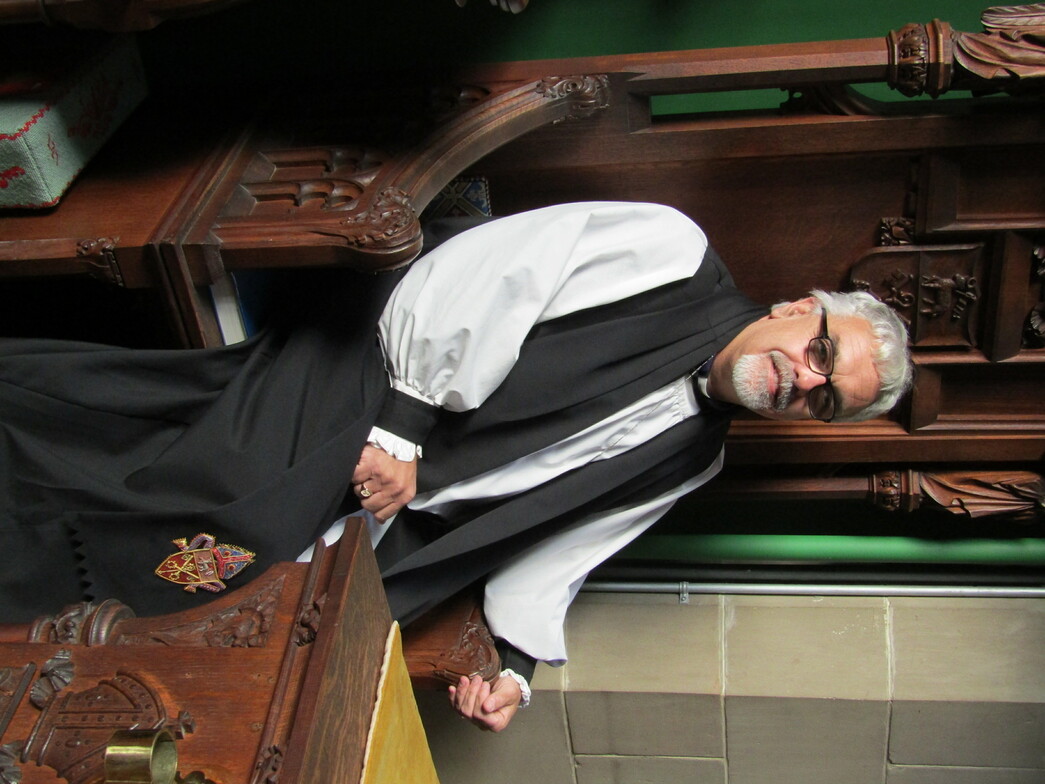
At Saturday’s 141st Diocesan Synod Archbishop Edwards announced his intention to retire before the end of 2027, by which point he would be 67. He has been diocesan bishop since 2014 and also, since 2020, metropolitan (that is, senior) bishop of the Ecclesiastical Province of Canada.
Immediately following his announcement, the Synod voted to hold a further synod, at which a coadjutor bishop would be elected. Coadjutor means co-acting. A coadjutor bishop is one who assists the current diocesan bishop and, when that diocesan bishop leaves office, becomes diocesan bishop automatically. In that sense, the process to elect a coadjutor bishop is really about choosing someone who, at some point in 2027, will become the 11th diocesan bishop of Fredericton in a succession that began in 1845 with Bishop John Medley.
Basic steps
- Diocesan Council chooses a synod date. The date is dependent on many factors, but mainly the length of the preparation and nomination processes and the calendar of the person who will be invited to preside at the synod.
- The Council starts assembling a profile to set out basic facts on Diocese of Fredericton that would be useful for potential episcopal nominees, including our perceived strengths and challenges and the corresponding qualities looked for in a new bishop. In most dioceses such a document is based on wide consultation. Nominees for election need not have served in the diocese. They may be priests aged between 30 and late-60s from anywhere in the Anglican Church of Canada or from any church or denomination in full communion with us, such as Evangelical Lutherans.
- The priest elected as coadjutor bishop must then be approved by the bishops of the Ecclesiastical Province of Canada. Later, they and other bishops will gather in Fredericton to consecrate the person elected. At that point, the person elected becomes the coadjutor bishop of Fredericton. How long the coadjutor serves alongside Archbishop Edwards depends on the arrangement between the two and how much briefing the coadjutor would find useful.
- When Archbishop Edwards leaves office, the coadjutor bishop finally becomes the diocesan bishop. The succession is marked by a service at which the new bishop beats on the door of the Cathedral, gains admission and is escorted to be seated ceremoniously on the “cathedra”, the chair/throne of the bishops of Fredericton.
- When Archbishop Edwards ceases to be bishop of Fredericton he will also cease to be Metropolitan of the Ecclesiastical Province of Canada (that is, the seven Anglican dioceses east of the Ottawa River). The Ecclesiastical Province will go through its own procedure to elect a successor.